

Aug. 18, 2025
Thread protectors are essential components in both industrial and hobbyist applications. They safeguard threads from mechanical damage, corrosion, and contamination during storage or transport. Whether for CNC lathe spindles, barrels, or other threaded components, understanding how to select, create, and maintain thread protectors ensures the longevity of your equipment.
3D printing offers a cost-effective and customizable solution for thread protection. Hobbyists and small workshops often explore 3D-printed options because they can create a protector that fits snugly over a spindle or other threaded part. However, while 3D-printed materials are lightweight and flexible, they may not offer the same long-term durability as metal protectors. It is important to select high-strength filament and consider reinforcement if the protector will face frequent handling or mechanical stress. For temporary applications or light use, 3D-printed protectors can be highly effective.
Custom thread protectors are often required when standard sizes do not fit specific machinery or equipment. Designing these protectors starts with precise measurements and CAD modeling. Once the design is complete, manufacturing can be done from durable plastic or metal using appropriate machining processes. Custom protectors can feature special shapes such as octagonal, knurled, or flanged designs to accommodate unique equipment profiles. Creating custom thread protectors ensures optimal protection and fit, which is critical for specialized applications.
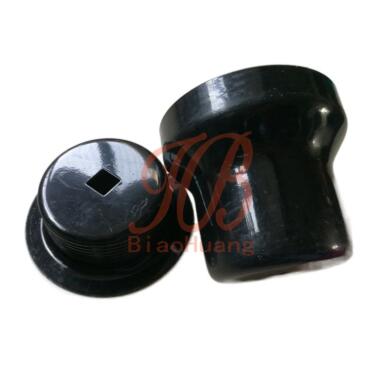
Choosing the right material for a thread protector depends on the application environment and the level of protection needed. Common materials include:
Plastic: Lightweight, corrosion-resistant, and ideal for temporary protection during transport or light-duty use.
Steel: Offers high durability and resistance to mechanical damage, suitable for long-term or heavy-duty applications.
Aluminum: Lightweight yet strong, providing a balance between portability and durability.
Selecting the appropriate material ensures that the thread protector can withstand the conditions it will face, whether in a workshop, storage facility, or in the field.
Thread protectors can provide an effective barrier against moisture, dust, and debris, which helps reduce the risk of rust and corrosion on threaded components. However, they should not be relied upon as the sole preventative measure. Regular cleaning, lubrication, and proper storage are essential to fully protect lathe spindles, bolts, or other threaded parts from corrosion. Using thread protectors in combination with a maintenance routine provides the best protection for valuable equipment.
Finding thread protectors that match uncommon thread sizes can be challenging. Standard sizes are widely available through industrial suppliers, but for unique threads, fabrication may be necessary. Many shops produce their own protectors using durable plastic or metal, ensuring a precise fit. Custom fabrication also allows for additional features, such as knurled grips or reinforced edges, improving usability and durability. Planning ahead to source or create the correct thread protectors can prevent damage and costly replacements.
Thread protectors play a vital role in protecting equipment from mechanical damage, corrosion, and contamination. By understanding the advantages of 3D-printed options, custom fabrication techniques, material selection, rust prevention, and sourcing strategies, operators can ensure the longevity and performance of their threaded components. Incorporating thread protectors into regular maintenance practices provides peace of mind and reliable protection for any workshop or industrial setting.
246
0
0
All Comments (0)
If you are interested in sending in a Guest Blogger Submission,welcome to write for us!


Comments